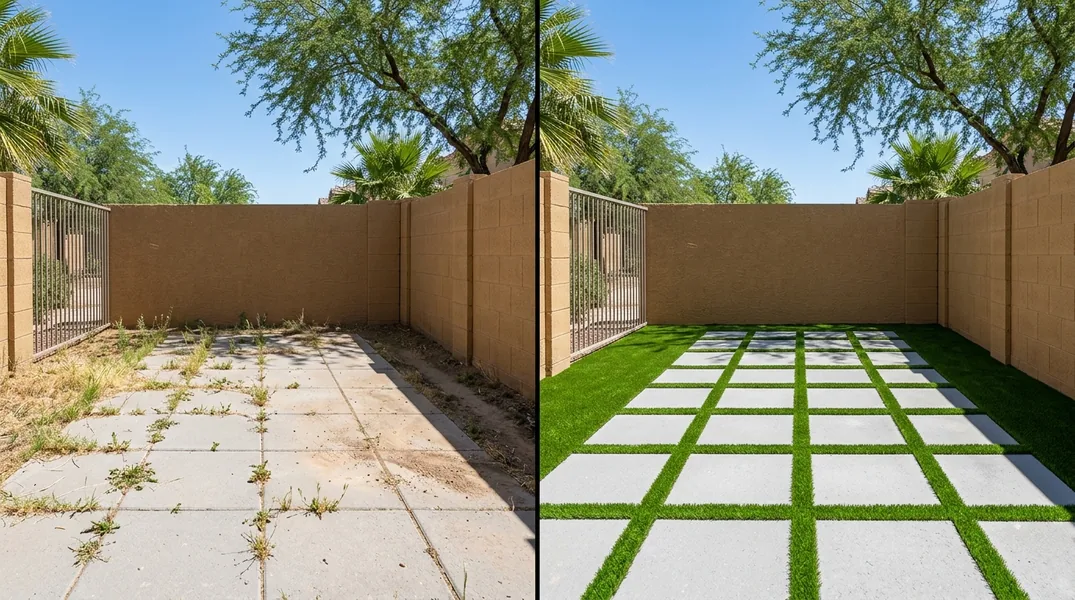
Understanding HOA Artificial Grass Policies in Gilbert
If you own a home in a homeowners association community in Gilbert, you know that HOAs exist to maintain property values and neighborhood aesthetics. However, many residents are surprised to discover that their HOA's stance on artificial grass has shifted significantly over the past decade. What was once considered a non-starter is now increasingly accepted, and in some cases, actively encouraged due to water conservation efforts in Arizona.
The key to successfully installing artificial turf in an HOA community starts with understanding your specific association's bylaws and architectural guidelines. Every HOA in Gilbert operates independently, meaning rules can vary dramatically from one neighborhood to the next. Some HOAs have blanket prohibitions against artificial grass, others allow it with specific conditions, and a growing number have no restrictions at all. Before you invest time or money into a project, you need to know exactly where your association stands on this issue.
Front Yard Artificial Grass: What HOAs Typically Require
Front yard visibility makes artificial grass installations particularly subject to HOA scrutiny. Your front lawn is the first thing neighbors see, and it directly impacts the curb appeal of the entire community. This is why most HOAs have the strictest guidelines around front yard installations compared to backyard projects. When evaluating front yard artificial grass proposals, HOAs typically focus on several key factors: the quality and appearance of the turf material, the realism of the product, proper installation methods, and ongoing maintenance standards.
Most HOAs that approve front yard artificial grass require the turf to look natural and well-maintained at all times. This means choosing a high-quality product that mimics real grass in color, texture, and pile height. Budget artificial turf with a plastic appearance or visible seams will almost certainly be rejected. Additionally, HOAs often require that the installation includes proper drainage, secure edging, and professional-grade infill materials. Many associations also mandate that you maintain the turf regularly, which includes brushing, rinsing, and removing debris to keep it looking fresh. If your HOA does approve Residential Artificial Grass Installation, these maintenance expectations are typically spelled out in the approval documentation.
The HOA Submittal and Approval Process for Turf Rules Arizona
Navigating the submittal process is crucial if you want your artificial grass project approved. The typical process begins with obtaining an Architectural Review Request form from your HOA, which you'll need to complete with detailed information about your proposed project. This form usually requires you to specify the exact location of the installation, the brand and product line of the artificial turf you plan to use, the installation timeline, and often photographs or product samples. Some HOAs may also request information about the contractor you've hired, including their insurance and licensing details.
When submitting your application, include professional documentation that demonstrates the quality of your chosen product. Provide product specifications, manufacturer certifications, and if possible, high-resolution images or samples of the turf material. Many homeowners strengthen their applications by including photos of similar installations in other communities or testimonials from neighbors who have already installed artificial grass successfully. The Architectural Review Committee will typically review your submittal within 30 to 60 days, though timelines vary. If your application is incomplete or the committee has concerns, they may request revisions or additional information. Once approved, you'll receive written authorization to proceed with installation, and this approval letter should be kept on file for your records.
Common HOA Objections and How to Address Them
Even in communities where artificial grass is technically permitted, HOAs sometimes raise objections during the review process. The most common concern is that artificial turf looks fake or plastic. To counter this objection, educate the committee about modern artificial grass technology. Today's premium turf products are virtually indistinguishable from natural grass, featuring multiple blade colors, realistic textures, and natural-looking thatch. Provide samples and direct them to see installations in person if possible. Another frequent objection relates to drainage and environmental concerns. Assure the committee that professional installations include proper drainage systems that direct water away from foundations and into appropriate drainage areas, and that quality turf materials are permeable and environmentally responsible.
Cost perception is another barrier you may encounter. Some HOA members worry that artificial grass will lower property values or create a maintenance burden for the community. Address this by sharing research showing that artificial turf actually increases home value, reduces water consumption (an important consideration in Arizona), and requires less ongoing maintenance than natural grass. If your HOA is concerned about long-term durability, provide warranty information from the manufacturer. Finally, if your HOA has a specific concern about your installation that isn't addressed in the standard guidelines, ask if you can attend a committee meeting to present your case directly. Personal engagement often makes a significant difference in gaining approval.
Working with Professional Installers: Why HOA Approval Matters
Hiring a professional installation company that understands HOA requirements is one of the smartest decisions you can make. At Gilbert Turf Installation, we've worked with countless HOA communities throughout Gilbert, and we know exactly what committees expect to see. Our team can provide you with detailed product specifications, installation photos, and professional documentation that strengthens your HOA application. We use only premium-grade artificial turf materials that meet or exceed HOA aesthetic standards, and we follow installation best practices that ensure your turf will look beautiful and perform flawlessly for years to come.
Before beginning any project, we recommend contacting your HOA first, even if you believe artificial grass is permitted. This prevents costly mistakes and ensures you have written approval before we mobilize equipment or materials. Once you receive approval, we handle the installation with precision and professionalism, ensuring every detail meets both HOA specifications and our own high standards. Whether you're interested in Residential Artificial Grass Installation for your front yard or exploring other options like Pet Turf & Dog Run Installation, we're here to guide you through every step of the HOA approval process.
Next Steps: Getting Your HOA Approval and Installation Timeline
Ready to move forward with artificial grass in your Gilbert home? Start by reviewing your HOA's architectural guidelines or reaching out to your HOA board directly to understand the current policy on artificial turf. Request a copy of any application forms and submission requirements. Once you have this information, contact Gilbert Turf Installation for a free estimate. We'll discuss your project goals, help you select the right product for your needs and HOA requirements, and provide all the documentation you need for your submittal.
The entire process from initial inquiry to completed installation typically takes 4 to 8 weeks, depending on how quickly your HOA reviews and approves your application. To get started, call us at (602) 713-6323 or visit our website to request a free estimate. Our team understands the nuances of HOA approval in Arizona residential communities, and we're committed to making your artificial grass project a success from start to finish.
Looking for a professional artificial grass installation company in Gilbert? Gilbert Turf Installation responds fast for all your artificial grass installation needs.
Get a Free Quote